
You just got promoted or stepped up to lead an engineering team, and suddenly everything feels weird. You’re used to solving problems, diving into code, and building things yourself, but now you’re supposed to manage people who might know more than you about certain parts of the system. And honestly? That’s intimidating.
I’m going to walk you through what actually works when you’re leading engineers: how to gain trust, keep the team moving, and still respect the craft they’re so damn good at.
8 approaches to lead an engineering team effectively
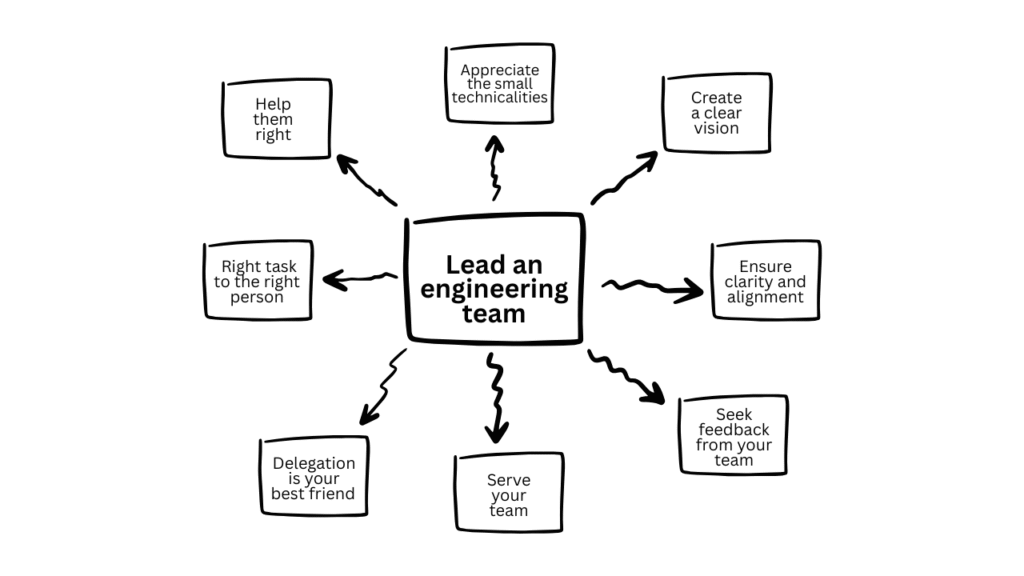
1. Appreciate the small technicalities
If you come from a tech background, you know how easily the small, unnoticed aspects of a project eat up your days. It takes a huge amount of problem-solving and mental energy, and after battling with it for days, it goes unnoticed. What a misery!
As you’re now a lead or a manager, you can break the cycle. You know the technicalities and bottlenecks of your domain. So never miss any opportunity to reconginise such efforts and appreciate the team member who worked on it.
This small action makes your team relate to you and trust you. If you’re new to leadership or management and the shift from an individual contributor to a lead role is haunting you, I can help, as I’ve been there.
After years in tech and data, working my way up the ladder to become a CTO, I started noticing the same challenges come up again and again. So I put them all in one place. Foundations of Leadership for Nerds is built on real experience. It focuses on simple, practical frameworks, the 20% that actually drive 80% of results, so you can lead with clarity, confidence, and a lot less mental load.

2. Create a clear vision
Tech is the backbone of most companies, but engineers don’t always get to see that. Their work enables everything, yet its impact can feel distant or invisible. That’s where your role matters.
Remind your team regularly why their work exists and what it does for the business. Connect features to outcomes, systems to users, and fixes to real-world impact. It keeps them motivated and creates a sense of purpose, which is usually lacking in tech workers. I’ve separate guide on how to create a good leadership vision in tech, you can check that out.

3. Ensure clarity and alignment
Make sure everyone, from engineers to stakeholders, agrees on what needs to be built, by when, and what “done” actually means. If any of the entities are misaligned, it will lead to confusion and a series of meetings to clarify the issue. So, ensure everyone is on the same page from the very beginning.
A small alignment check at the start saves weeks of back-and-forth clarification later.
- Write things down.
- Confirm assumptions early.
- Don’t rely on vague nods in meetings.
- Send a copy of all the requirements, timelines, outcomes and other important details to all the stakeholders after the meeting.

4. Actively seek feedback from your team
What’s a better way to know what someone needs than asking them? In 1:1s or even in team meetings (if you’re comfortable), ask your team what you can do to make things easy for them. How can you help them? They will tell you exactly what they need from you if you create the space to listen.
Also read: What new tech and data leaders should do first.

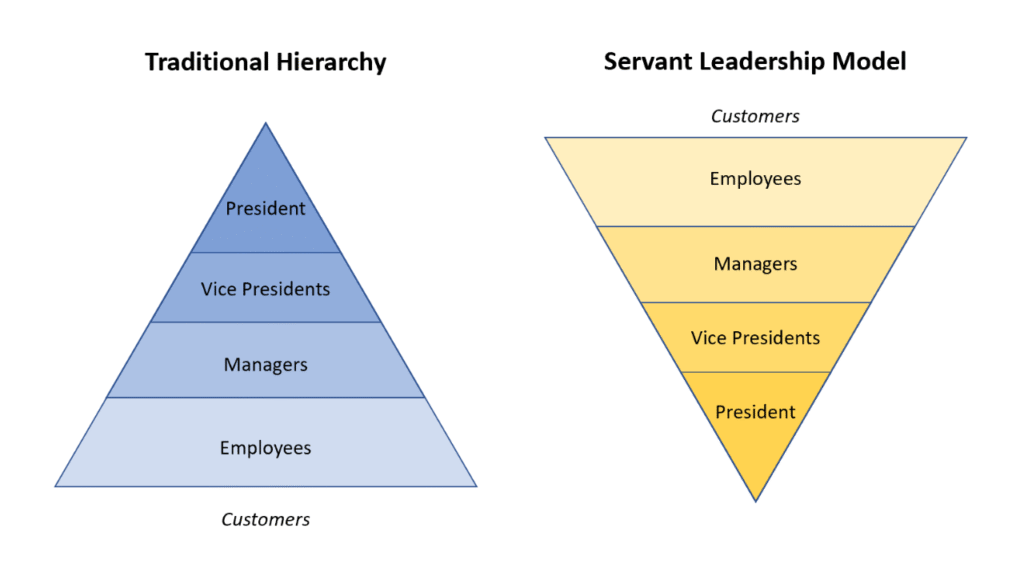
5. Serve your team
Your team should be coding, designing, and problem-solving, not dealing with politics, impossible deadlines, or constant interruptions. And you’re the one to stand between your team and all this unnecessary drama.
Handle demanding stakeholders, clarify shifting priorities, and remove anything that slows them down. Give your engineers the room to focus, the tools to succeed, and the confidence that they won’t be derailed by noise from outside.
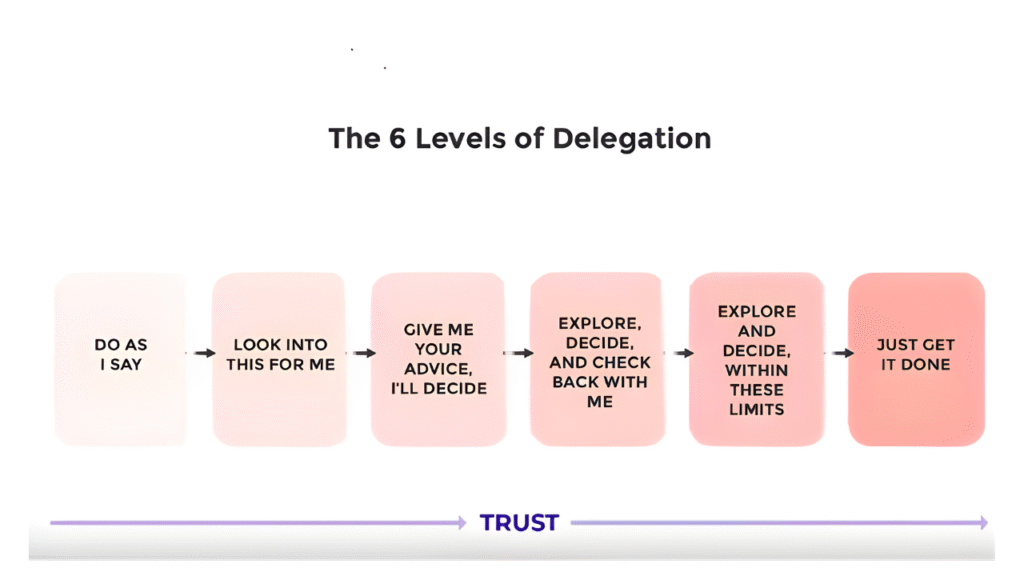
6. Delegation is your best friend
Delegating is the only way to get your to-do list in a realistic, doable state. Assign based on strengths, set clear outcomes, and then step back. Don’t hover, don’t nitpick, and definitely don’t “help” unless asked. Engineers will find their own solutions, and often better ones than you expected.
Your role after delegation is to have strategic follow-ups to keep a check, remove any blockers, answer questions when they genuinely need you, and acknowledge their wins.
And if delegation seems like a messy process, you need to learn two things: how to delegate effectively and what to delegate.
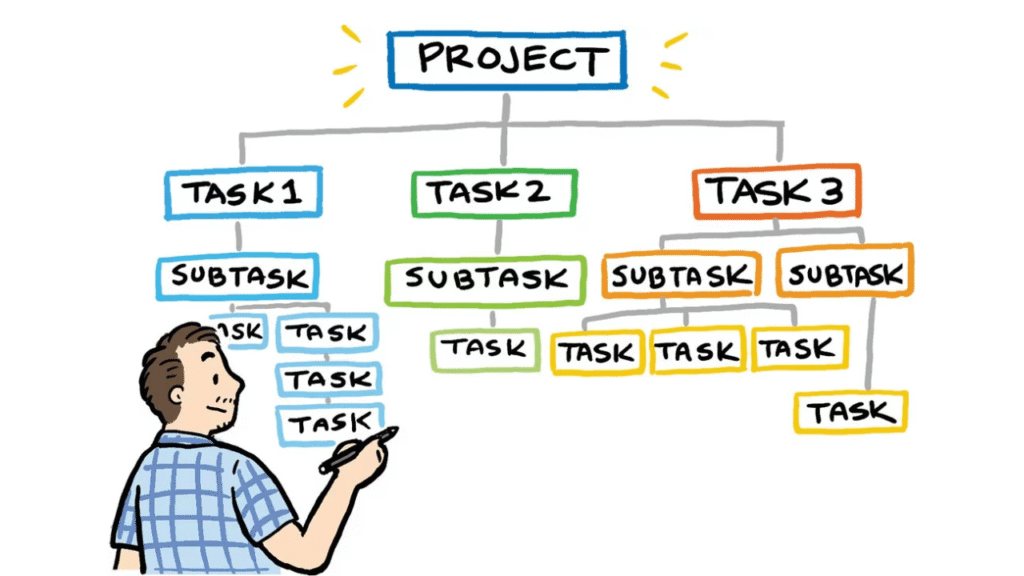
7. Assign the right task to the right person
Every engineer has their strong spots. Someone’s great with system design, another is good at debugging messy edge cases, and someone else just gets a particular framework or tool. You should know your team’s strengths, and when you have to delegate a task, you know the right person for it.
8. Help them right
You will be delegating and supervising your team as they work. They might face challenges, and your first instinct would be to jump in and help. Though you were helping out of goodwill, your interference can quickly turn into micromanagement.
We tech geeks are great problem solvers and have our way of doing things. Interference can be irritating and disturb our way of working. The sweet spot is to give your team the confidence to ask for help. They will come to you when they’ve tried all their ways and are now ready to receive help.
You do that by being predictable: don’t react with frustration, don’t take over the keyboard, and don’t turn every question into a lesson. Feed it in their minds that asking for help is okay and that they are a team that works together to fight problems, not each other.
Lead an Engineering Team with Confidence
You don’t need to be perfect or the smartest person in the room to lead an engineering team well. You just need to care, stay curious, and show up consistently. Trust your instincts; you’ve already solved harder problems than this. Leading engineers is just another one.
Learn more about Foundations of Leadership for Nerds to make this leadership journey easy and manageable.







![How to use AI in spend analytics? [5 use cases]](https://feriotti.com/wp-content/uploads/2026/04/1-3.png)