One of the most important things for a business is its customers. You need detailed information about your customers to serve them right.
Their profiles, personas, behaviours, priorities, their interaction with your business and your brand image in their eyes all mean a lot, and the list can go on. You need this information for almost everything, from designing your products and brand image to marketing and sales.
There are multiple sources to acquire this data from: Website, social media, reviews, emails, and feedback. Your customers are all over the place, and so is their information. When you sit down to look into your customer data, you find yourself looking at tens of different platforms and picking up points from everywhere. It’s inefficient and can’t be maintained once your customer base starts to grow.
This is where CRM comes in, a platform that streamlines your entire customer management. And this is the article that will explain to you CRM in business, to show you the real value and benefits this system brings to your organisation. All with no jargon.
What is CRM?
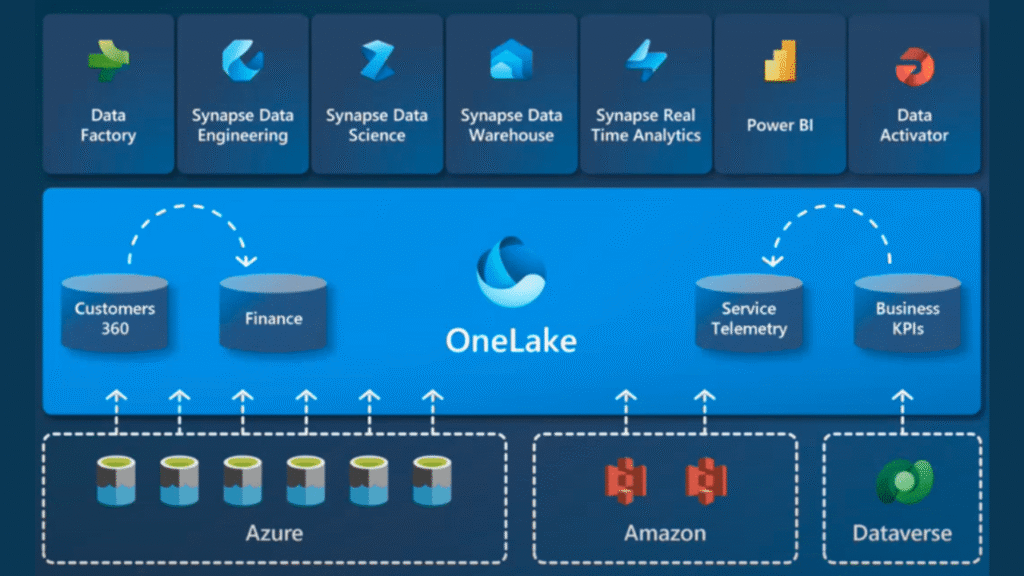
CRM, which stands for Customer Relationship Management, is a tool that integrates all your customer data in one place from all the tens or hundreds of sources you have.
Every detail from your customer’s personal information to their interaction with your website, their purchase history, emails and all other behaviours and activity is all in one place.
So think of it like a uniform consolidated platform that stores every interaction of your customer or prospect and allows you to easily access any information about any customer you want.
Who can benefit from a CRM system?
Any business, from big corporations to SMEs, can benefit from CRM. Once you’ve reached a point where your customer base has grown enough to make manual spreadsheet maintenance difficult and inefficient, you need to shift to a CRM.
So no matter the size of your organisation, if you need to manage customer information and streamline those processes, a CRM system can help.
“But how exactly a CRM can help my business?”
Valid question. Let’s have a good look.
What does CRM do for a business? The benefits of CRM in business
“So yeah, it’s an all-in-one platform for customer management, but what exactly can CRM do for my business? Is efficiency all it can offer?”
No, to truly understand the impact and benefits CRM brings to your business, let’s connect this efficiency and all-in-one tracking feature to business outcomes.
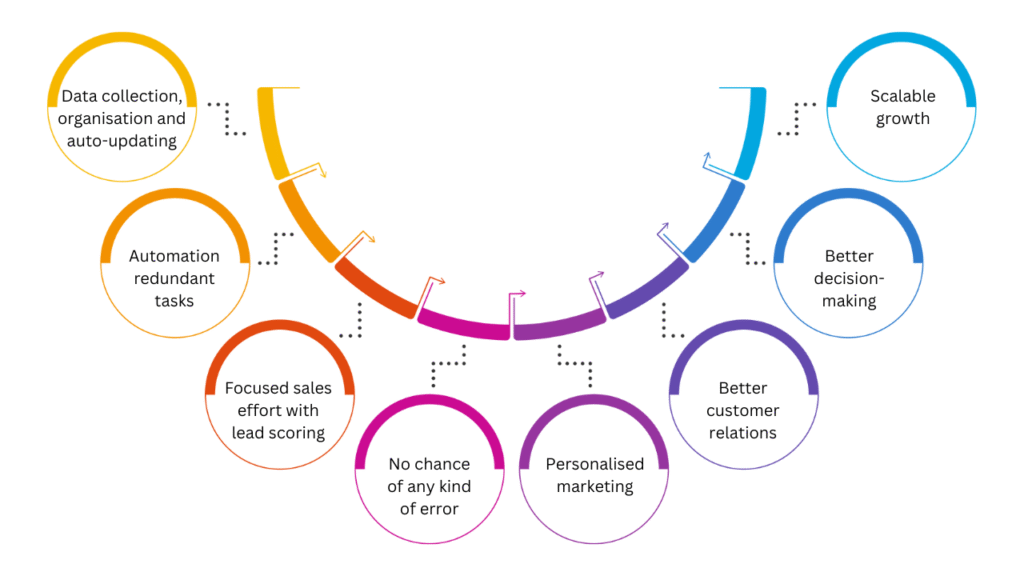
1. Data collection, organisation and auto-updating
CRM collects your leads’ and customers’ data and stores it in an organised fashion without any human intervention.
No matter where they are interacting in your ecosystem (socials, newsletter, website, sales, marketing, customer support), it captures their activities, behaviours, and information from every platform.
And if there’s a change in certain information, the system auto-updates it.
- A customer purchased a new item?
Their purchase history will be updated.
- A lingering prospect, made a move?
Their status will be changed, so you know you got a warm lead.
In short, every small detail is auto-captured without any human intervention. You save hours on maintaining your customer profiles in spreadsheets that require manual updating. And everything is categorised so you can retrieve any information in a single click.
What does it mean for your business?
Your system is organised and maintained, saving your teams their sanity because managing all that with a growing customer base becomes a heck of a mess and impossible at a point. And now your team can finally work on the tasks that move the needle.
2. Automation
You can take things a step further and automate marketing and customer support by connecting your CRM to an automation software like Microsoft Power Automate.
- A lead downloads a resource? A follow-up email is triggered.
- A customer submits a support request? A ticket is created and assigned instantly.
- A deal moves to a new stage? Notifications and tasks are auto-sent to the right people.
This reduces the manual repetitive tasks and ensures a synchronised system that runs on its own without manual effort, saving time, energy, and increasing productivity.
This type of automation is called office automation, and it includes a lot more than just CRM automations. I have a detailed guide that explains office automation in simple English and relates it to the business outcomes so you can truly understand what it means for your business.
3. Focused sales effort with lead scoring
Since every activity of your prospects is tracked, you can set a lead scoring system based on your preferred metrics. Lead scoring means assigning a number to a lead to determine where it stands on the scale of cold to hot.
It’s based on the activity of your leads. If a prospect visits the pricing page often, requests demos, and inquires about the product, they are a warm to hot lead.
Your CRM flags that prospect, allowing your sales team to focus on converting warm to hot leads rather than treating every lead the same and spending time and resources on cold leads.
As a result, your sales efforts become structured and intentional. The right prospects receive the right attention at the right time, leading to better conversions and fewer missed opportunities.
4. No errors
With all the auto-updating and syncronisation there’s no room for error. The system picks information directly from the sources and puts together everything nicely. This nicely-put part is also important because a messy system can again lead to misunderstandings, missed data and eventually to mistakes.
5. Personalised marketing
You can tailor your marketing based on how each customer interacts with your business. Instead of sending generic campaigns to everyone, you can trigger emails, notifications, and reminders based on what a prospect browsed, what they added to their cart, or what they previously purchased.
If someone abandons their cart, a reminder can be sent automatically. If a customer repeatedly views a specific product or service, targeted follow-ups can guide them toward a decision.
This allows for upselling and cross-selling opportunities, increasing your chances of sales and guiding the customer to relevant products based on their purchase history.
6. Better customer relations
This level of personalisation makes your marketing timely and meaningful. Customers receive messages that match their interests, increasing engagement, improving conversions, and strengthening long-term relationships.
This personalisation allows you to cater to every customer’s individual needs and interests — something that is impossible without CRM and automation. It makes your customers feel heard and understood. And happy customers mean a happy and sustained business.
7. Better decision-making
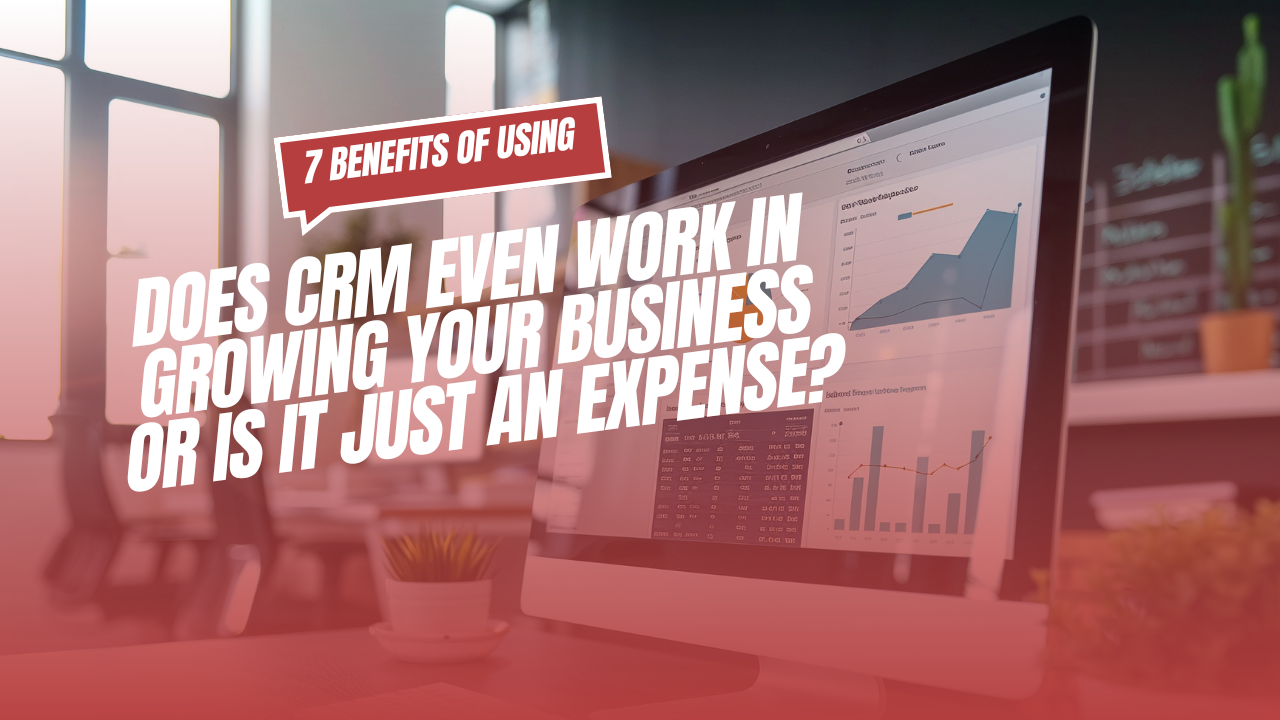
When you have so much data and in such an organised fashion, it gives you insight into your system, customers and what’s working and what’s not. And all this information enables you to make better, data-driven decisions.
You can track conversion rates, deal progress, customer acquisition sources, campaign performance, and revenue trends. If a certain channel is generating higher-quality leads, you will see it. If deals are consistently stalling at a specific stage, you can identify the bottleneck and address it.
Instead of random guessing, you can double down on what’s performing and cut down on what isn’t. It saves you costs and gives you better results.
8. Scalable growth
As your business grows, so does the volume of customers, data, and internal coordination required to manage them. Using a CRM means you don’t have to worry about it. Your data is managed and sorted, and it grows as your company grows.
Plus, all the structured data, all the personalised marketing, and data-driven decision making eventually translate into business growth.
So this is how you can use CRM in your business and what it can do for your business growth and customer management.
Final thoughts
Leads slip through. Follow-ups fail. Marketing doesn’t hit the mark. Decisions are guesses. The system is getting messy. Your workers are getting frustrated trying to keep it all together.
A CRM fixes all of it. It tracks every click, purchase, and interaction. Scores leads. Automates the boring stuff. Shows what works and puts an end to chaos.
The result? Smarter and faster teams, and systems optimised for efficiency. Your customers get a personal experience, and leads convert faster and easier. No more guessing. No more wasted time. Just clarity and results.