As companies are focusing more on data and want to be data-led, the demand for data product managers is growing. Many data professionals are now eyeing it as their next career step.
And honestly, it makes sense, you already understand data better than anyone else in the room. What you need now is clarity on what this role actually requires and how to bridge the gaps.
This guide breaks everything down simply so you know exactly how to become a data product manager as a data professional.
Who is a data product manager?
Skip this section if you already know what a data project manager does.
For those who are still here, let’s quickly go through the role of data product manager (DPM).
A DPM’s work sits right at the intersection of business problems, data possibilities, and product outcomes. Their job is to turn real needs into data-powered solutions that the organisation and departments actually use.
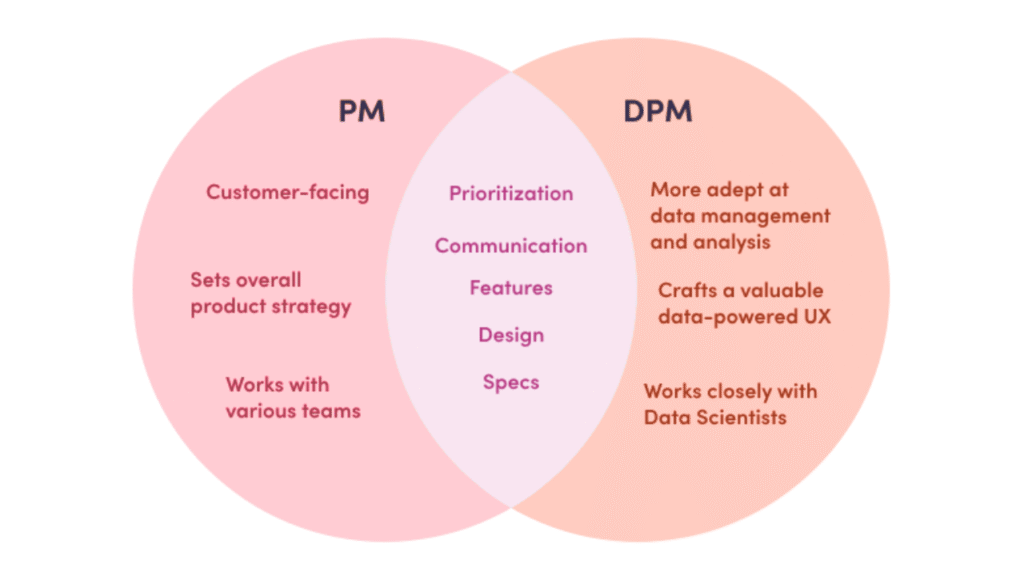
A big part of the role is defining user problems.
- The sales team might ask for “better reports,” but the real problem is inaccurate revenue forecasting.
- Ops might want “more dashboards,” but what they truly need is anomaly detection.
DPM digs into these needs and translates them into practical data solutions.
They also create roadmaps: what gets built, why it matters, and when it should happen. They work closely with data scientists and engineers to deliver features, clarify requirements, and resolve technical trade-offs.
They’re also responsible for ensuring data quality and governance so the product is reliable. And last but not the least, you manage stakeholders across business and tech, keeping everyone aligned and informed.
How to become a data product manager (DPM)
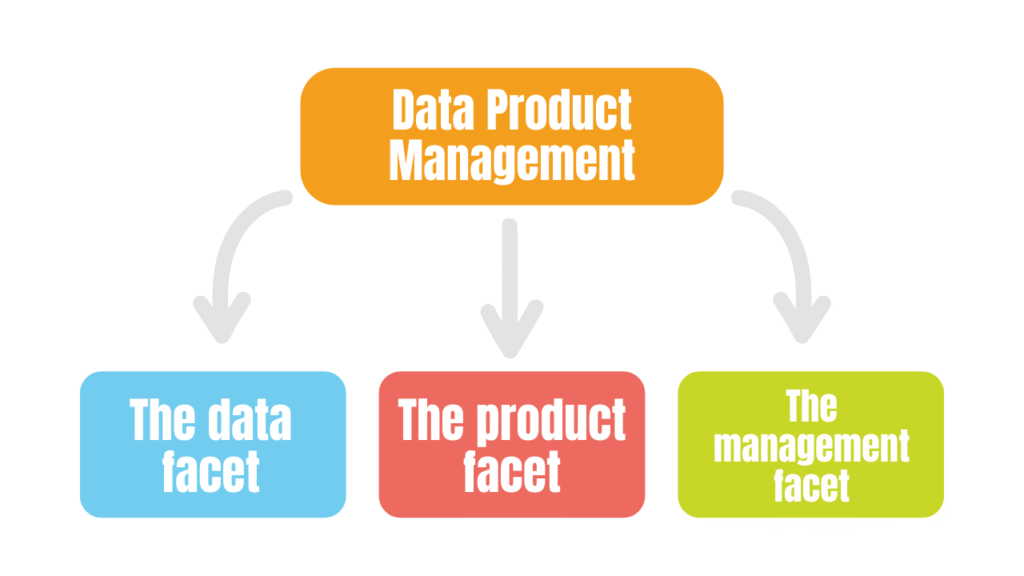
Data product management is a multi-disciplinary role. It includes three aspects: data, product and management. The first two (data and product) are the hard skills of this role, and the last one (management) is a soft skill. It takes a blend of all three domains to become a data product manager.
So the first step is to develop all the skills. This section will cover what skills you need and how you can develop them.
The data facet of data product management
This is the side of DPM that you’re well familiar with. In fact, it’s your biggest advantage in the journey of becoming a data product manager.
A data product manager should have a strong grasp of data analytics techniques, both qualitative and quantitative, as well as the tools to apply them. SQL, Python, R, and data visualisation tools like Power BI and Tableau are essential. They should also be familiar with data governance, data pipelines, and data flows.
Yeah, all that you already know.
Great! The data part is sorted. Let’s move towards the remaining two aspects.
The product facet of data product management
This is the second domain of hard skills, and this is the major gap you need to bridge. You will need proper credentials in product management to become a data product manager.
You should know data product lifecycles, their phases and how to operate in each phase effectively. You should be able to define project requirements, frame a product vision, and strategise the development plan.
The best way to go about this part is to look for courses and training in domains like
- product development,
- product management and
- data product management (specifically)
Proper credentials will not only equip you with the knowledge but also add to your qualification, aiding in securing a DPM role.
Also read: Data analyst career progression: What should be your next career move
The management facet of data product management
We are past the hard skills; let’s talk about soft skills that happen to be management and leadership skills.
DPM is a technical role that involves management, which means you will be collaborating with multiple teams and their managers, communicating with stakeholders, having a lot of cross-functional communication and collaboration, all while managing your own team.
Management skills
Communication should be your strongest soft skill due to the variety of people you will be communicating with. Coming from a technical background, we often find it difficult to explain technical subjects to our non-tech colleagues. A DPM should be able to simplify complex ideas.
I’ve shared 9 practical and tested ways to effectively communicate with non-tech fellows. Check out that guide; it will solve your tech communication worries.
Besides communication, effective delegation, problem-solving, and your management and prioritisation skills should be strong. Head to my 10 soft leadership skills listicle to find more soft skills that a management role, like DPM, requires.
Business acumen
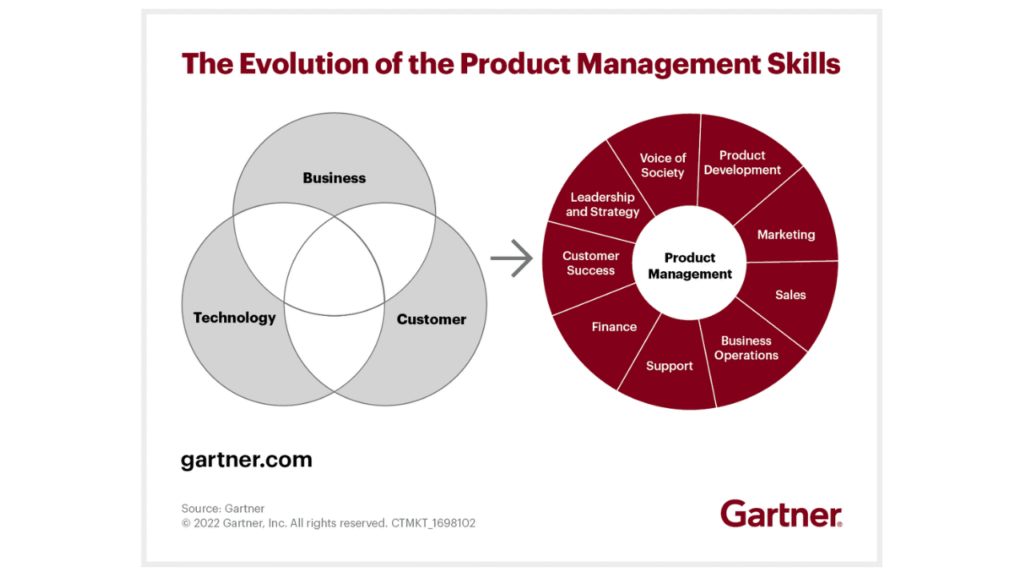
Another area I want to highlight here is business knowledge. As a data product manager, you need to have a deep understanding of the business, its goals, priorities and the industry you operate in to be able to align your data products to business goals.
- Follow industry news and trends to understand market shifts.
- Study your company’s business model, revenue streams, and key metrics.
- Attend cross-functional meetings to learn how different teams operate.
- Understand the “why” behind business decisions.
Also read: How to lead a team as a first-time manager in tech?
Tips on becoming a data product manager
Find a mentor
Find a DPM or senior in your organisation or network who can guide you in your journey. Observe them in their role and learn how they handle all three facets of data product management.
Let your manager know your aspirations
Most people switch companies when they want to switch roles. However, if you have the right skills and credentials, let your manager know your interest in becoming a data product manager. It keeps you on their radar when a relevant opportunity comes up.
Start small: Take one step at a time
You already have the analytical mindset, technical know-how, and problem-solving skills that make you uniquely qualified. The missing pieces (product thinking, stakeholder management, and business perspective) can be learned and practised.
Embrace the journey. Take one thing at a time, and show initiative in your current role. Make sure to implement the skills you learn and make it visible so you simultaneously position yourself as a strong candidate.
Remember: your ability to connect data with real business impact is your key advantage, and that’s exactly what makes a great data product manager.

![7 Practical ways to better use AI in CRM [ CTO’s guide]](https://feriotti.com/wp-content/uploads/2026/02/1-3.png)