What kind of leader do you want to be? The one who inspires and cares for their team or the one who prioritises workflows, systems and tasks? Every leader has a style, but not every style fits every situation. That’s where leadership models help.
They give you a framework to lead and adapt when the situation demands a different approach.
In this article, I’ll discuss six major leadership models and help you figure out which one feels most natural to you.
What are leadership models? And why are they important to you?
Leadership models describe different approaches leaders use to guide, motivate, and support their teams. Each model has a few dominant aspects; some focus on discipline and rules, while others inspire, collaborate and uplift.
Knowing your leadership style helps you recognise your strengths and gives you a direction in your leadership journey. So instead of trial and error, you know your leadership approach from the very start.
Your leadership style will also depend on your department and setting. Considering virtual teams, remote leadership requires specific models that maximise collaboration, productivity and employee engagement.
You can have one specific leadership style, but you can also combine them. Great leaders have a blend of two or more styles as their dominant approach and adapt according to situations.
A leader who leads with vision (transformational leadership) can become autocratic in a high-stakes situation.
Also Read: Leadership in Startups: Challenges, Styles, and Growth
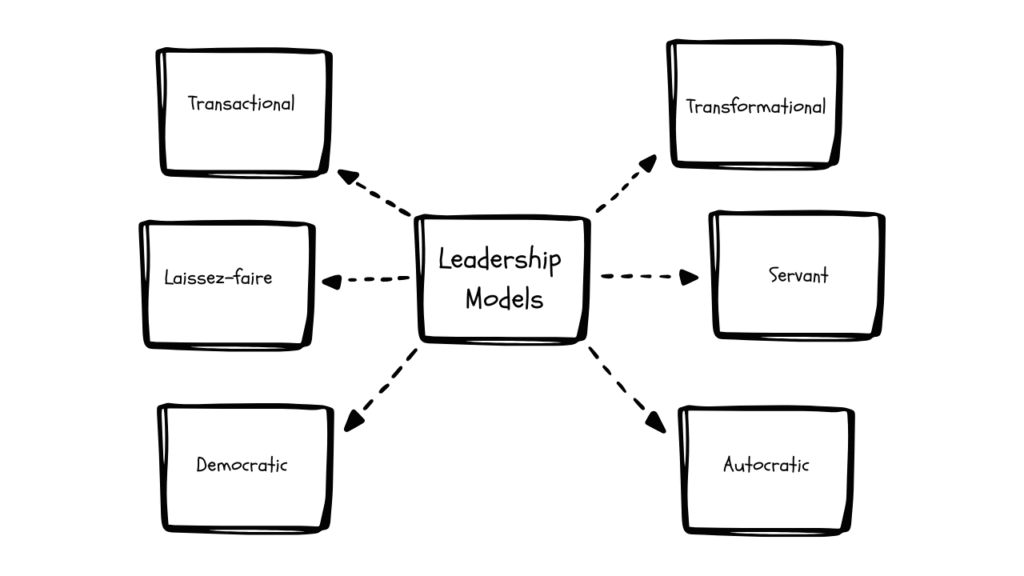
6 leadership models, and which one is yours?
1. Transactional Leadership
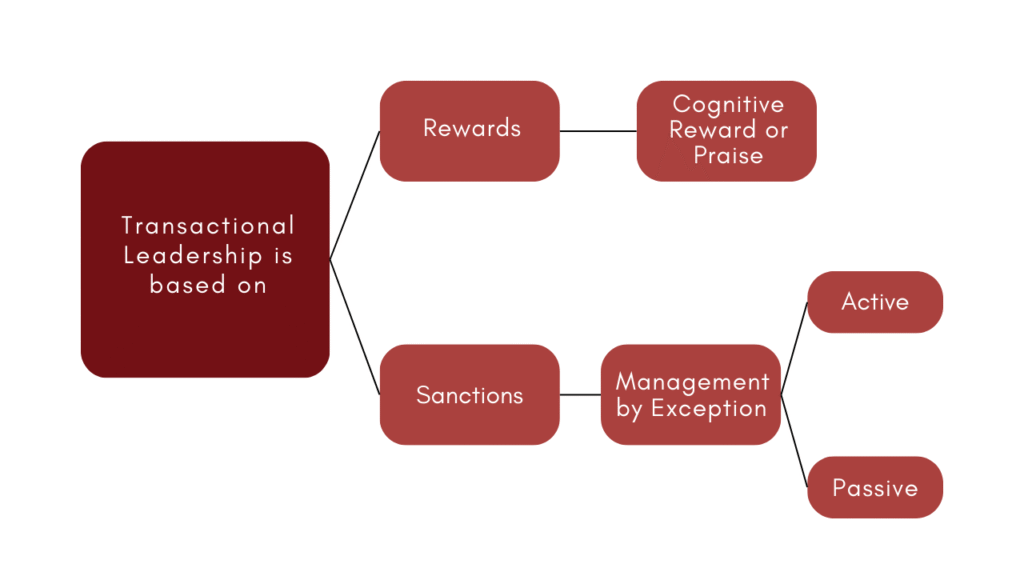
The transactional leadership model is where you lead through a system of rewards and consequences. Follow the rules, complete the task, and earn the reward. Break the rules, and face the consequences. That’s the core of transactional leadership.
Leaders who practice the transactional leadership style set clear goals and expectations and have defined workflows and processes. It’s a get-things-done type of leadership.
Take sales as an example. They earn rewards for completing the quota and face consequences in case of consistent failure.
Signs that transactional leadership is your style
- You set measurable goals and expect results.
- You believe in clear rules and consistent results.
- You recognise and reward good performance.
- You prefer proven systems over experimental approaches.
2. Transformational Leadership
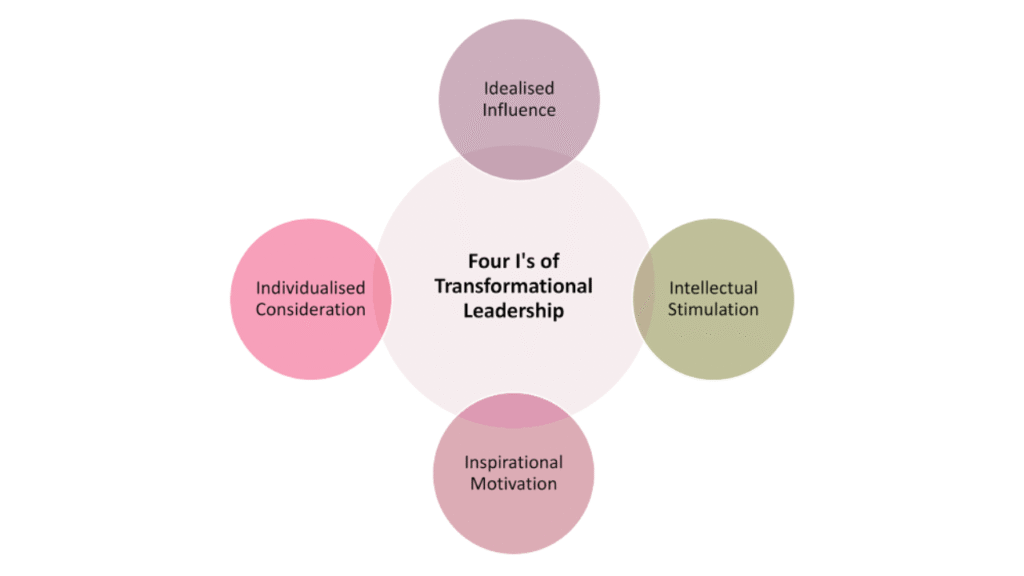
This is the visionary style of leadership. Transformational leaders inspire their team to achieve the shared goals. Instead of focusing only on results, they emphasise vision, growth, and impact that self-motivates the employees because they feel part of something meaningful.
Transformational leadership is practised when you need to spark change or guide teams through uncertainty. It’s also an effective model for startup leaders who gather their team around a shared mission and passion.
Signs that transformational leadership is your style
- You believe in leading with passion and purpose.
- You gather your team towards a shared goal.
- You encourage creativity and embrace new ideas.
- You focus on developing people, not just achieving targets.
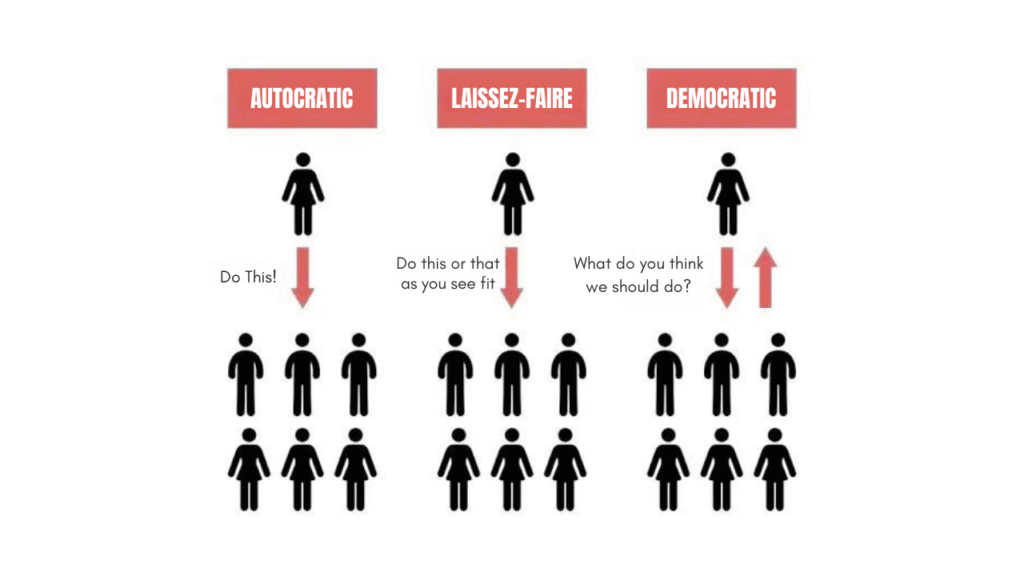
3. Laissez-faire Leadership
This is where the leader takes a step back and lets their team steer. Laissez-faire leadership is a hands-off model where leaders provide guidance and resources but give their team the freedom to work independently.
Laissez-faire is an ideal approach in the following two scenarios:
- When you need to encourage creativity
- When people are highly skilled, motivated, and capable of execution
For instance, a startup founder who encourages their team to come up with design solutions to solve a specific problem. Or a team of senior engineers working on a project will be capable enough to work independently.
Signs that Laissez-faire leadership is your style
- You trust your team to make decisions without constant oversight.
- You believe creativity flourishes when people have space to experiment.
- You prefer stepping in only when guidance or resources are needed.
- You see yourself more as a facilitator than a director.
4. Servant Leadership
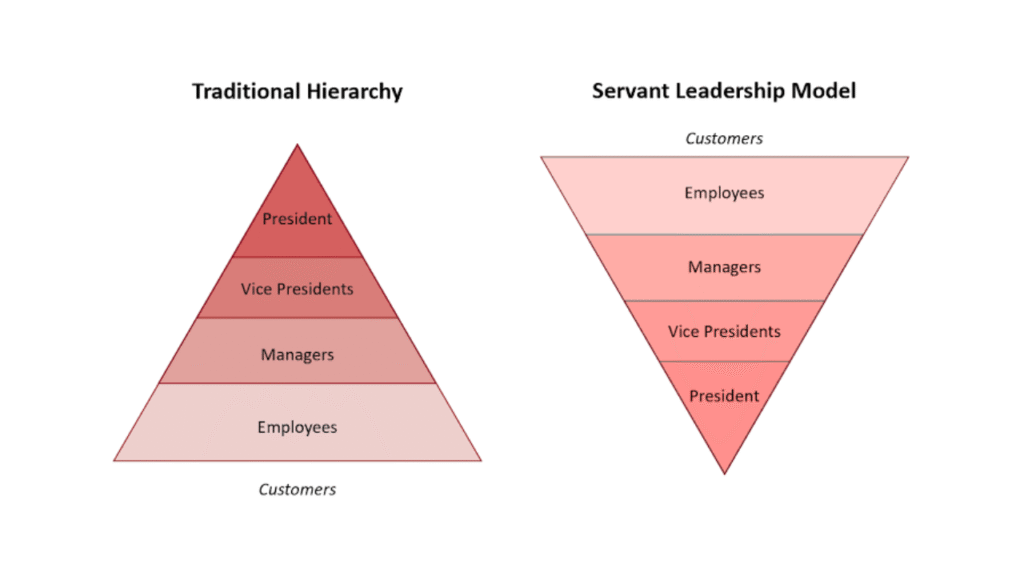
Servant leadership is a people-centred and collaborative model where the leader’s main goal is to serve their team. Instead of focusing on power or control, servant leaders empower their people, nurture growth, and create environments where everyone can succeed.
Servant leaders prioritise empathy, listening, and personal growth, aiming to build trust and foster collaboration.
Consider a manager who prioritises work-life balance and mentors their employees to help them improve.
Signs that servant leadership is your style
- To you, success not only includes the results but also how much your team grows.
- You actively listen and empathise with your team.
- You value trust, collaboration and compassion in daily interactions.
- You see your role as enabling others, not controlling them.
5. Democratic Leadership
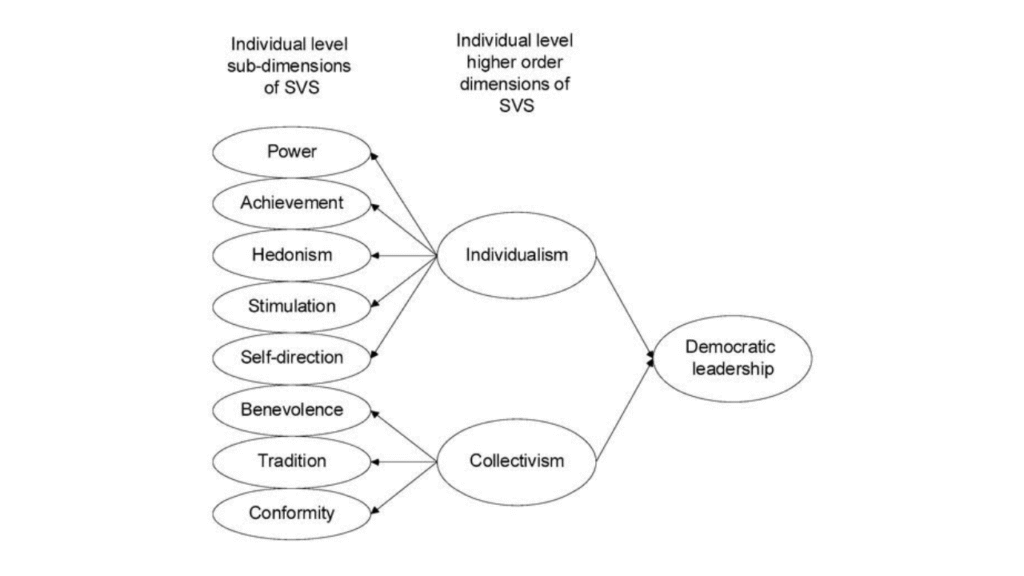
Democratic leadership is where the leader values every member’s opinion in decision-making. Leaders guide the discussion, but they value input and feedback before making the final call.
It brings out the collective wisdom of the team, enabling strong decisions. Brainstorming sessions with the team are an example of democratic leadership.
Signs that democratic leadership is your style
- You consider your team’s input before making big decisions.
- You believe collaboration leads to better results.
- You encourage open communication and healthy debate.
6. Autocratic Leadership
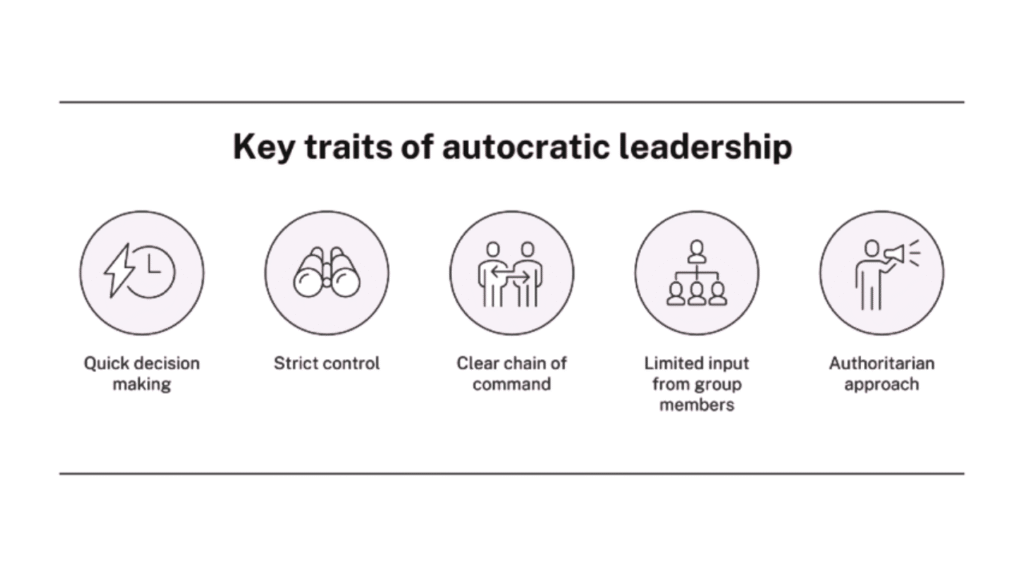
Autocratic is the opposite of democratic. It’s a top-down model where leaders make decisions without input from their team. While it might sound rigid, autocratic leadership works well in high-stakes or crises where fast decision-making is required.
Signs that autocratic leadership is your style
- You prefer to make decisions independently and quickly.
- You expect rules and instructions to be followed without debate.
- You believe hierarchy and authority keep things in order.
- You’re confident in taking responsibility for the outcome.
What leadership model suits you?
The truth is, no leader fits neatly into a single box. You might lean toward one model, but the reality of leadership often pulls you in different directions. The key is to be aware of your natural style and learning when to adapt.
So what’s your leadership style(s)? The one that feels natural to you, suits your team dynamics and the one you’re willing to grow into as a leader.
And if you’re ready to go deeper, you can join the 8-week data leadership mentoring program where we work together to bring out your inner leader and help you secure a lead role.

![7 Practical ways to better use AI in CRM [ CTO’s guide]](https://feriotti.com/wp-content/uploads/2026/02/1-3.png)